Opus 5.5 vs Gemini Argon: Benchmarking Three.js 3D Campus Development
I put Claude Opus 5.5 and Google Gemini Argon to a real-world test by having both build a Three.js 3D Virtual Campus explorer project from scratch. Here is how they stack up across development speed, stability, and pricing.

Speed vs. Stability Benchmark
🔹 Gemini Argon (3 minutes to build)
Blazing fast! However, getting it to work required manual debugging. For instance, I had to add e.isTrusted checks to avoid Pointer Lock SecurityError exceptions, and resolve issues where the Playwright test runner collided and crashed.
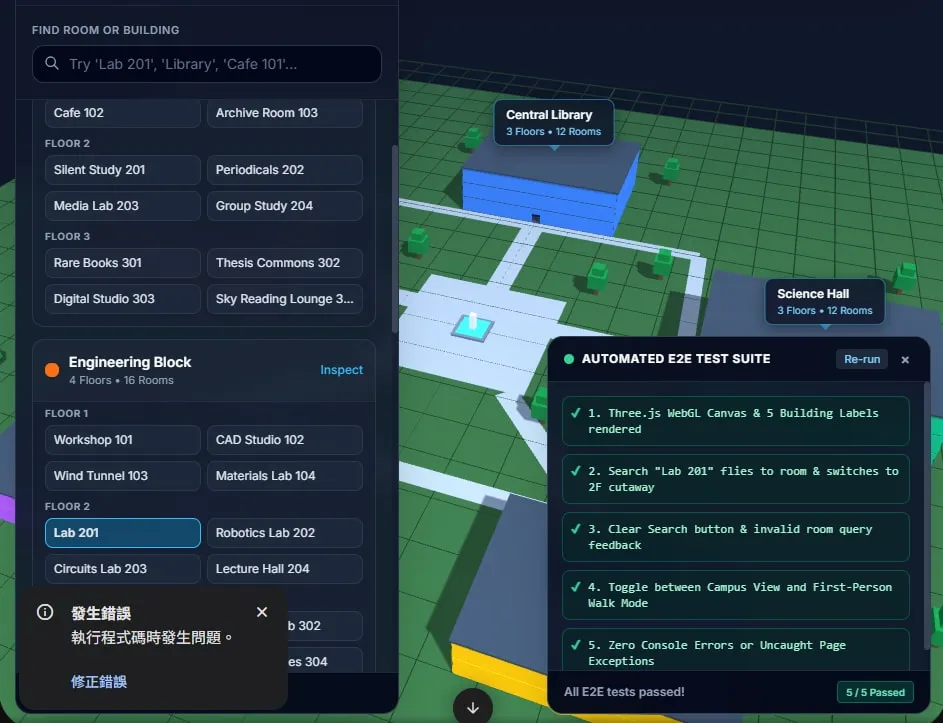
🔹 Claude Opus 5.5 (6 minutes to build)
Took twice as long, but the generated campus-explorer.spec.js was rock solid. All 5 test cases passed on the very first run (including WebGL canvas rendering, search camera transitions, and cutaway modes).
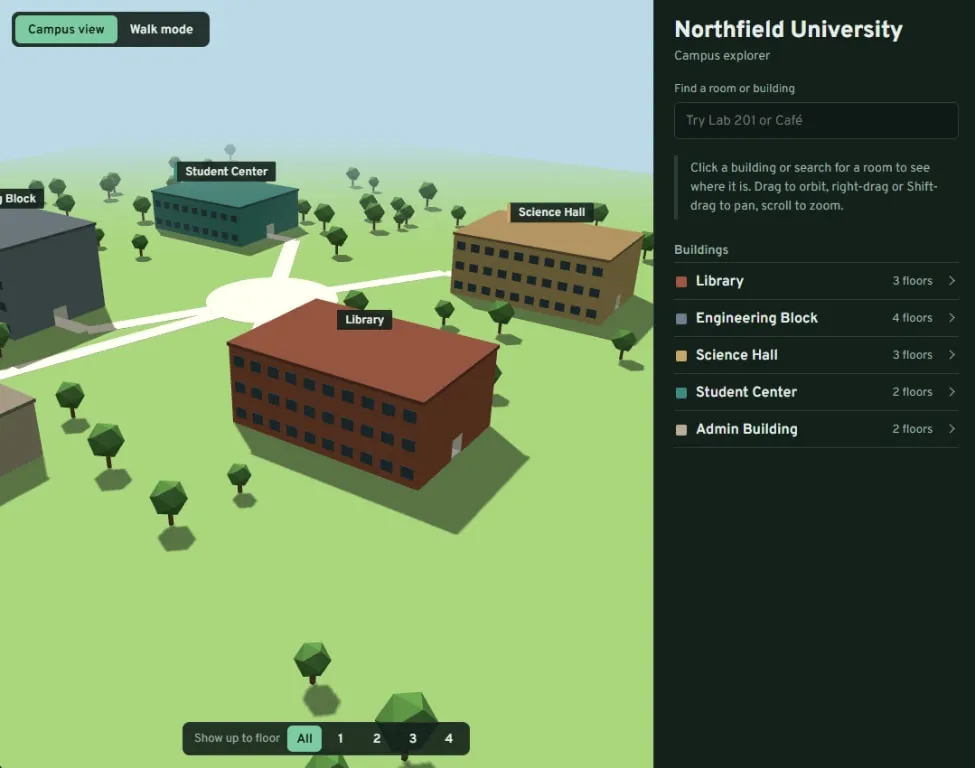
API Cost & Value Comparison (Per 1M Tokens)
🔵 Gemini Argon
- 📥 Input: ~$3.50 USD
- 📤 Output: ~$10.50 USD
- 💡 Verdict: Exceptional price-to-performance ratio! Inexpensive and ultra-fast, making it ideal for rapid prototyping, agile iterations, and high-volume code generation.
🟠 Claude Opus 5.5
- 📥 Input: ~$15.00 USD
- 📤 Output: ~$75.00 USD
- 💡 Verdict: Noticeably more expensive, but shines with first-shot accuracy. It produces comprehensive, passing test suites right away, saving substantial developer time on debugging and rewrites—ideal for production-grade software engineering.
📊 Cost Example: For a workload of 5M input tokens and 1M output tokens, Gemini Argon costs roughly $28 USD, while Claude Opus 5.5 reaches around $150 USD—a 5x price difference!
Summary
- Fast, low-cost experimentation & rapid iteration ➡️ Pick Gemini Argon
- First-time stability, production quality & complete test suites ➡️ Pick Opus 5.5
#TechHK #AIProgramming #Threejs #WebDevelopment #SoftwareEngineering #APIPricing #CloudComputing